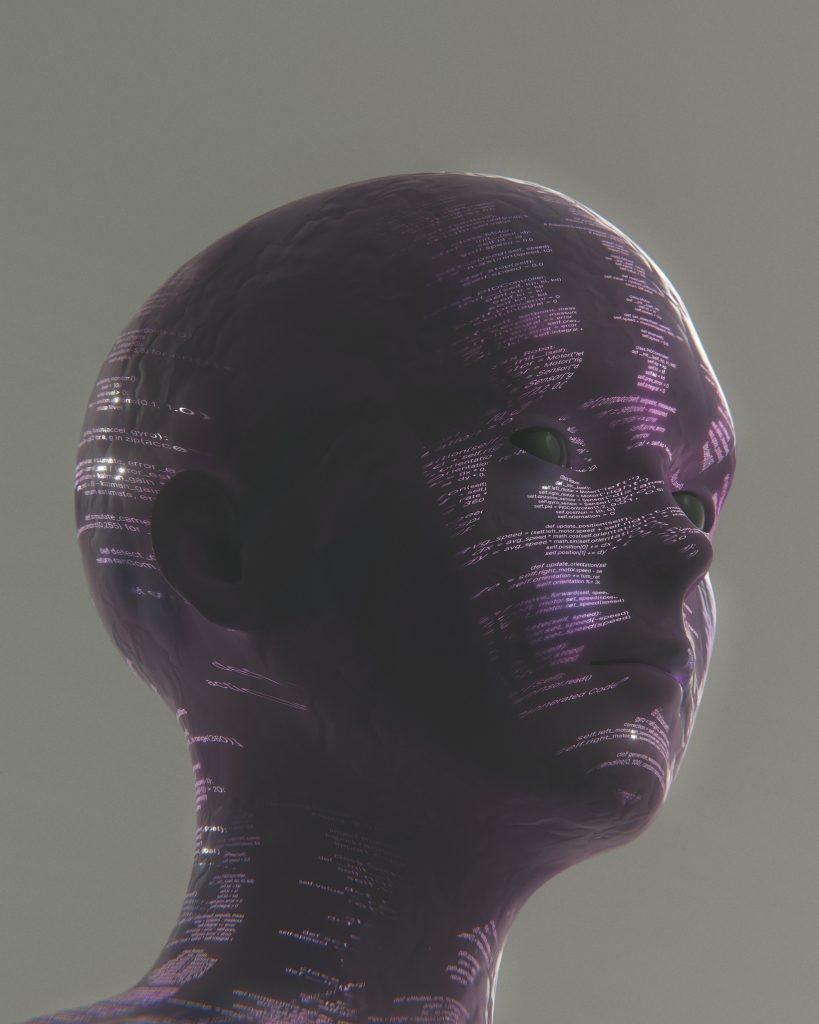

The Digital Persona: Are We Already Living as AI Avatars?
In the rapidly evolving landscape of social media, it’s becoming increasingly evident that the boundaries between human identity and digital personas are blurring — and in many cases, have already disappeared. The saturation of uniformity across content feeds suggests that we may have already transformed ourselves into avatars, consciously or not.
A Look at Present-Day Content Trends
Scroll through your favorite social media platforms today, and you’ll notice a pattern: recurring video clips, predictable hooks, and synthetic reactions. Influencers and creators often post multiple times daily, aiming to “warm the algorithm” — but their consistent success hints at the formulaic nature of content production. Many of these creators appear to prioritize visibility over authenticity, sticking to a standard script that their audience has come to expect.
The Illusion of Authenticity and the Power of Repetition
While discussions about AI avatars often evoke images of digital doppelgängers taking over, there’s a compelling argument that we’ve already internalized many of these characteristics ourselves. The sameness in tone, mannerisms, visual aesthetics, and storytelling reflects a deeper trend: we have, in essence, become digital avatars. Our online presence often mimics a uniform template that favors predictability over individuality.
The Algorithm’s Role in Shaping Our Digital Identity
Remarkably, this uniformity aligns with how social media algorithms operate—they reward consistency, predictability, and engagement through familiarity. Faces and stories that follow recognizable patterns are more likely to be promoted and shared, reinforcing the cycle of sameness. In this context, creating content that fits a known mold becomes a strategic move to sustain visibility and reach.
The Next Logical Step in Digital Evolution
Some might fear that advances in AI, such as AI-generated avatars and virtual influencers, will entirely replace human creators. However, considering current trends, it’s clear that we’ve already set the stage for this shift. The skills and behaviors that make us stand out are already being codified into digital personas. Tools like Runway, Pika Labs, Argil AI, and Nano Banana exemplify this trend—these platforms leverage efficiency and market preferences for streamlined, optimized content creation.
Conclusion: Are We Ceding Our Identity to the Algorithm?
This evolution prompts a critical question: Are we genuinely embracing genuine self-expression, or are we surrendering our individuality to the demands of the digital ecosystem? As we continue to adapt to the pressures of visibility and engagement, it seems that the line between human personality and digital avatar is increasingly blurred, possibly becoming indistinguishable.
Your Perspective
Are these developments a natural progression of digital communication, or are they signals that we’ve effectively turned ourselves into avatars — optimized for algorithms but stripped of uniqueness? Share your thoughts and join the conversation about the future of identity in the digital age.